A well-prepared taxidermy mount can hold its condition for decades — or fade, crack and attract insects within a few years, depending almost entirely on how it’s displayed and looked after. None of the following takes special skill, but skipping it is the single biggest reason mounts age badly.
Keep it out of direct sunlight
UV exposure is the fastest way to fade fur, feather and hide colour — a mount displayed in direct sun can visibly lighten within a year or two, while the same piece kept out of direct light holds its colour for decades. If a room gets strong afternoon sun, position the mount away from the window line or fit UV-filtering film rather than placing it directly in the light.
Control humidity
Moisture is the main long-term threat to a mount — more so than dust, more so than handling. High-humidity rooms (bathrooms, unventilated laundries, uninsulated garages) encourage the hide to soften, mould to develop, and insects to move in. Aim for a dry, climate-stable room — the same conditions you’d want for a piece of wooden furniture or a book collection.
Dust properly, don’t wash
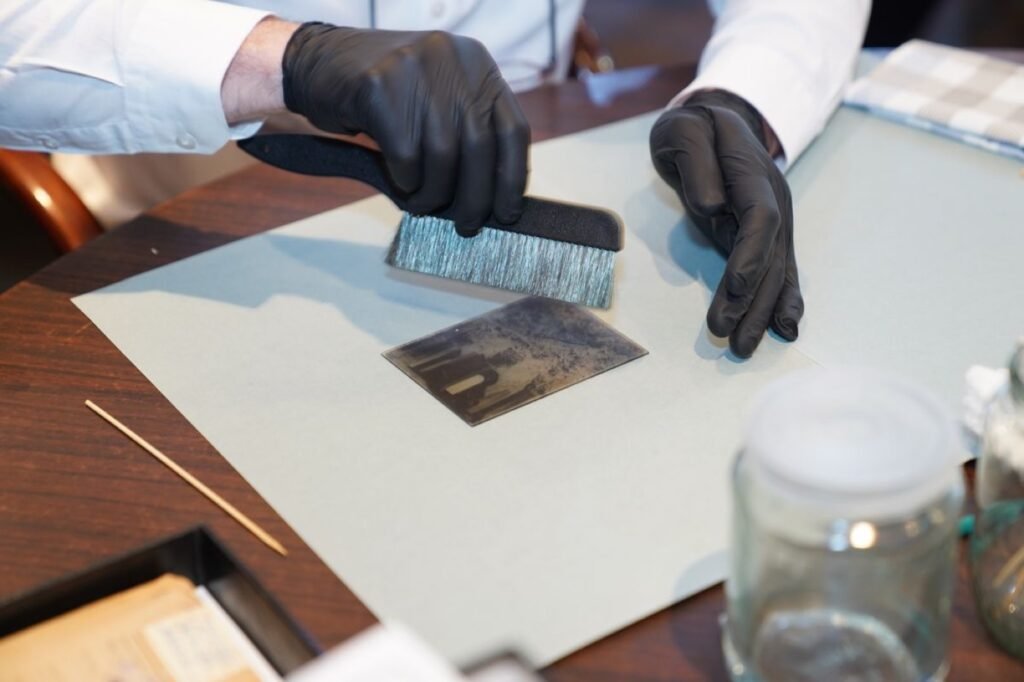
A soft-bristle brush or a vacuum on low suction with a brush attachment is all a mount needs for routine cleaning. Avoid water, household cleaning sprays or polish on fur, feathers or hide — these can strip natural oils from the hide and cause it to stiffen or crack over time. If a piece needs more than dusting, that’s a job for a taxidermist, not a spray bottle.
Watch for insect activity
Small holes in the hide, a fine dust or “sawdust” residue beneath the mount, or a musty smell are the early signs of insect damage — usually dermestid beetles or moths, which feed on the same hide and hair that make up the mount. Caught early, this is a straightforward treatment. Left unchecked, it can mean a full re-mount. If you spot any of these signs, isolate the piece from other mounts and get it looked at promptly.
Handle it by the mount, not the extremities
When repositioning a piece, lift and support it from the base or mounting board rather than from horns, antlers, ears or a fragile pose element — these are usually attached with older adhesives that weren’t built to bear the full weight of the mount repeatedly.
Where this matters most
Full mounts and shoulder mounts have the most surface area exposed to light and air, so they benefit most from a stable, low-humidity, indirect-light room. Compact pieces like European skull mounts are lower-maintenance by comparison — no hide, fur or feather to fade or dry out — which is part of why they suit apartments and offices well.
If you’re not sure how a specific specimen was tanned or prepared, ask before you buy — it’s on every listing’s grade, and we’re happy to answer condition questions before you order. Browse current stock in our full catalogue.